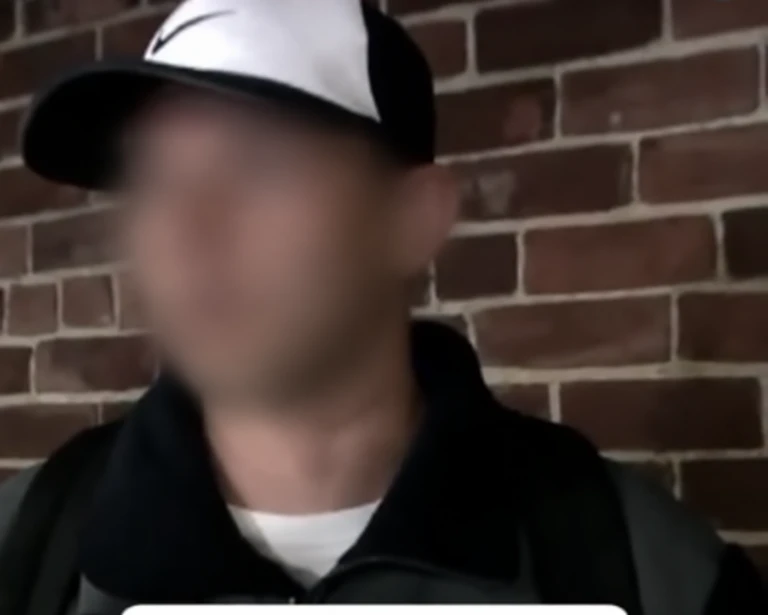
Her description of the neighborhood is harsh. She talks about poor hygiene and recalls a disturbing incident she says she witnessed. These are her accounts; the short video does not independently verify every detail.
There is also a detail worth preserving accurately: she says she lives with a friend. Being interviewed on a sidewalk does not establish that she sleeps there. Nor can one interview stand for everyone who lives in Kensington. Her story deserves attention without turning either her or the neighborhood into a stereotype.
The Dream She Still Names
Asked what she wants to do after getting sober, she gives an unexpected answer: she wants to own a rehabilitation center.
The video offers no business plan or evidence that she has begun working toward that goal. Still, the wish matters. In a conversation dominated by her immediate circumstances, she imagines a future connected to helping other people. It is an aspiration she names herself, even while other answers reveal how uncertain her own next steps feel.
Later, asked where she sees herself in six months, she speaks about the future in frighteningly narrow terms and expresses not wanting to keep living if her situation continues. That deserves serious concern, not treatment as a prediction or a dramatic countdown. The recording does not establish what happened afterward, and her darkest answer should not be mistaken for an inevitable ending.
Three Wishes, All Within Ordinary Life
Then comes the question that gives the interview its most human moment: if she could make three wishes, what would they be?
She wants to get sober. She wants a stable life. She wants to be in contact with her family again.
There is nothing extravagant in that list. She is asking for things many people move through each day without noticing: a dependable routine, a sense of belonging, and relationships that feel within reach. Her answers do not erase the distress that came before them. They sit beside it, showing that she can still name a life beyond her present circumstances.
We do not know whether she has since accepted help or moved toward recovery. A responsible account cannot invent that ending. But it can remember what she actually asked for. If you share her story, share it with dignity. Let the conversation center on her hopes, not her appearance or her most vulnerable moment. Her three wishes deserve to be heard as more than the closing lines of a video.