HUMAN STORIES · KENSINGTON
In Kensington, Her Three Wishes Were Simply to Have a Life Again
“Do you want to get clean?”
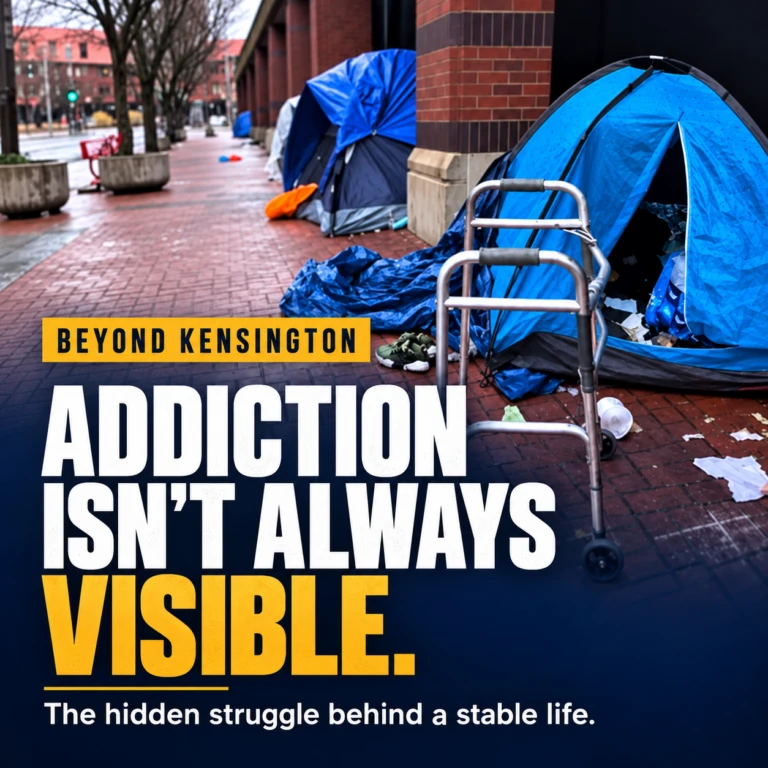
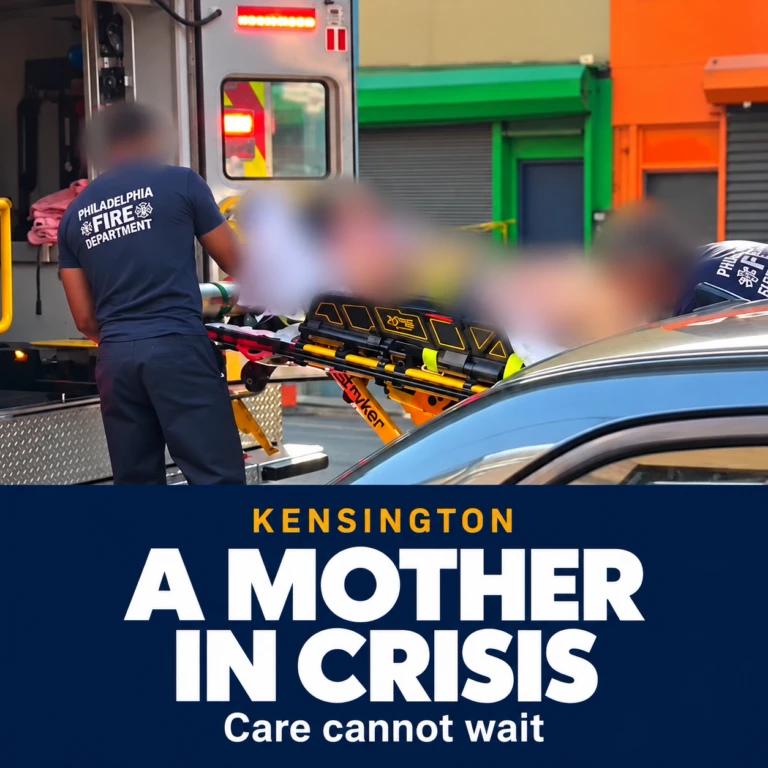
Standing beside a worn wall in Kensington, Philadelphia, a young woman gives an answer that refuses to fit a comforting story: “No, but I need to.” She pauses, then explains that recovery feels less like something she wants and more like something she has to do. In a few words, she reveals the distance between recognizing the need for change and feeling ready to embrace it.
The interview lasts only a few minutes. There is no dramatic rescue, no promise that tomorrow will be different, and no final scene confirming that everything worked out. Instead, there is a conversation about drugs, family, and a future she struggles to imagine. What stays with the viewer is the way ordinary hopes keep surfacing between statements that sound painfully close to surrender.

Knowing She Needs Change
“It’s not really a want,” she says. “I have to.”
Her answer is uncomfortable because it offers no easy reassurance. She knows something has to change, yet she does not pretend that knowledge has already become determination. The interview captures that unresolved moment: someone speaking openly about a life she cannot keep living, without claiming to have found her way out.
From a distance, it is easy to ask why she does not simply leave. But the clip does not tell us her full history, what help she may have sought before, or what obstacles stand between an offer of support and her ability to accept it.
A Family Still Reaching Out
When the interviewer asks whether her relatives have tried to help, she says yes. “They try all the time.”
The answer changes the emotional weight of the conversation. By her account, the connection has not disappeared. There are people trying to reach her. Yet their efforts have not brought her back to the life she wants.
Asked what is stopping her, she struggles to put her answer into words. She describes liking the feeling of not existing. Her phrasing is hesitant and fragmented. It is a troubling disclosure, but not enough to diagnose her or reconstruct the experiences behind it. What we hear is someone trying to describe a relationship with everyday life that has become difficult to bear.
Listening requires more patience than judging. It means allowing her contradictory answers to remain visible: family can be reaching out while she remains distant; she can recognize danger while struggling to move toward change. Understanding her begins with hearing both sides of what she says.