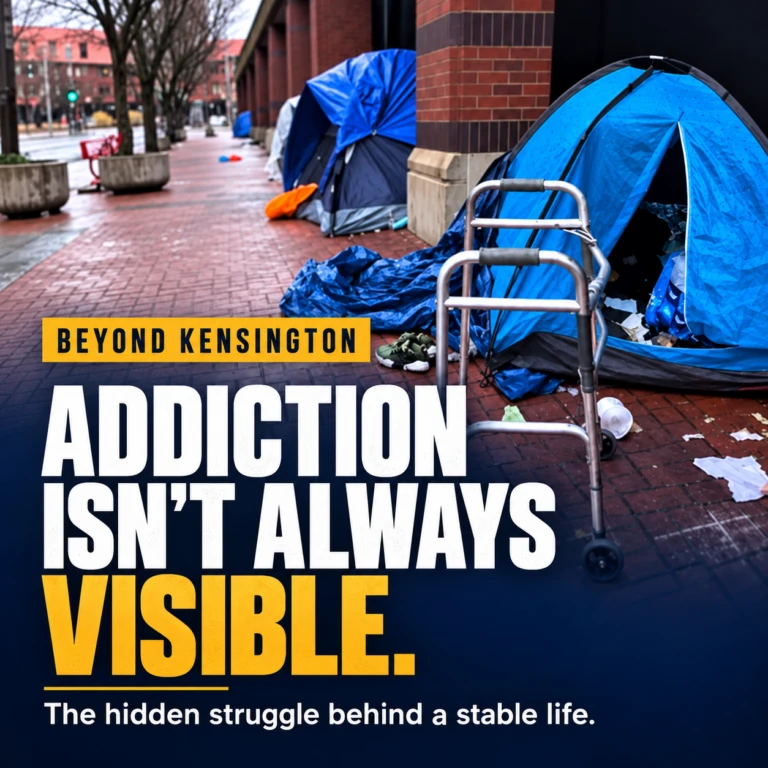
Grace almost refused. Accepting kindness meant admitting how badly she needed it. But the volunteer waited, and the waiting mattered. When Grace finally said she was afraid, the woman asked what felt possible today. Not next year. Not for the rest of her life. Today. Together, they began looking for professional support and a safer place for her to spend the night.
A prayer without perfect words
Later, sitting in a quiet room, Grace remembered praying as a child. She had once believed that God heard her before she knew how to explain herself. Now she wondered whether there were limits to that welcome. She did not have a polished testimony. She could barely keep a thought steady. Her prayer was only a request for help to take the next step.
In the Christian story of the prodigal son, the return begins before the broken relationship has been fully repaired. Grace found hope in that image of a father moving toward his child. She began to imagine that turning back to God did not require her to arrive already healed. Perhaps she could come frightened, ashamed, and uncertain, and still be received with love.
Faith with hands and feet
The next morning did not erase the struggle. In this story, prayer helped Grace ask for care; it did not replace care. Support meant appointments, patient conversations, practical help, and people who respected her choices. A church member offered transport. Someone helped her find clean clothes. Another person sat beside her while she made a call she had postponed for months.
That distinction matters beyond the story. Faith can offer meaning and companionship, while substance use treatment belongs with qualified professionals. Philadelphia lists treatment and recovery resources, including community services in Kensington. Seeking that help need not conflict with belief in God. For Grace, accepting it became a way of acting on the hope she could not yet fully feel.

The call home
Her mother’s number was still familiar. Grace pressed it, then nearly ended the call before the first ring. All she could manage was to say who she was and that she wanted help. The silence that followed felt enormous. Then her mother asked where she was and whether she was safe.
There was no instant repair. Love did not erase fear, and forgiveness did not rebuild trust in an afternoon. They would need difficult conversations and boundaries they could both keep. But they had spoken. She was learning to welcome that love.
A future built in ordinary moments
The hopeful ending was quieter than she had expected. It was keeping an appointment when she wanted to hide. It was eating breakfast, answering a message, and admitting when a day felt too difficult to manage alone. Some evenings she prayed with confidence. On others, she borrowed courage from the people around her. Progress did not have to look impressive to be real.
Grace’s imagined journey asks something of the reader, too. Before sharing a stranger’s lowest moment, consider what that person might need when the camera stops. Before speaking about redemption, ask whether there is a practical way to offer patience, shelter, treatment, or companionship. No one should have to perform gratitude, disclose their trauma, or adopt a faith to deserve humane care.
At eighteen, Grace had feared that her life was already finished. Her return to God gave her a different possibility: she could begin again without denying what had happened. The road ahead remained unfinished, but she no longer had to walk it unseen. The most hopeful part of her story was not that every difficulty disappeared. It was that she learned to ask for help, and someone stayed to answer.