At 18, Her Road Back to God Began in Kensington
She feared that home—and heaven—had closed their doors. The first step back began with someone willing to stay.

A life larger than one frame
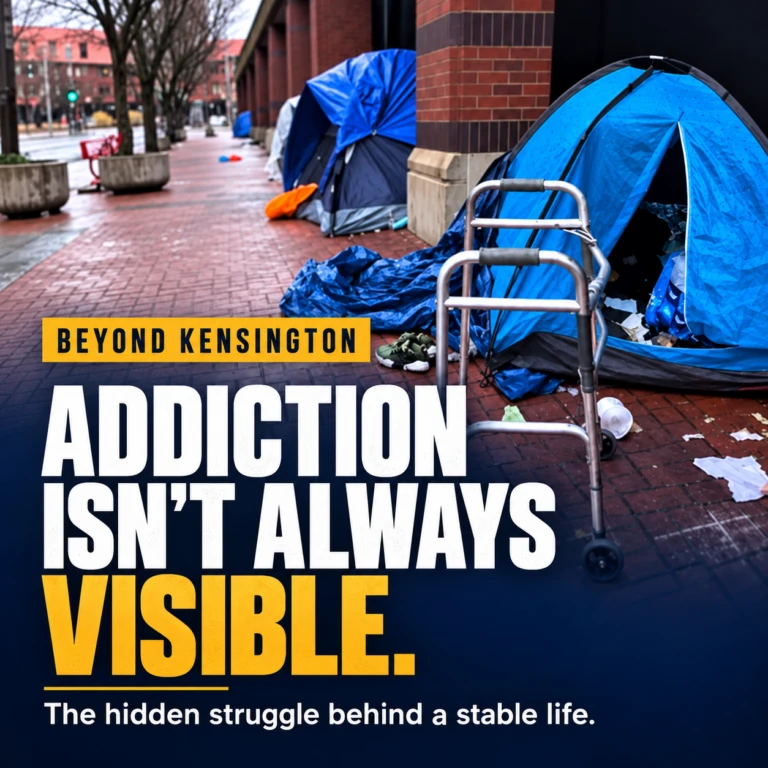
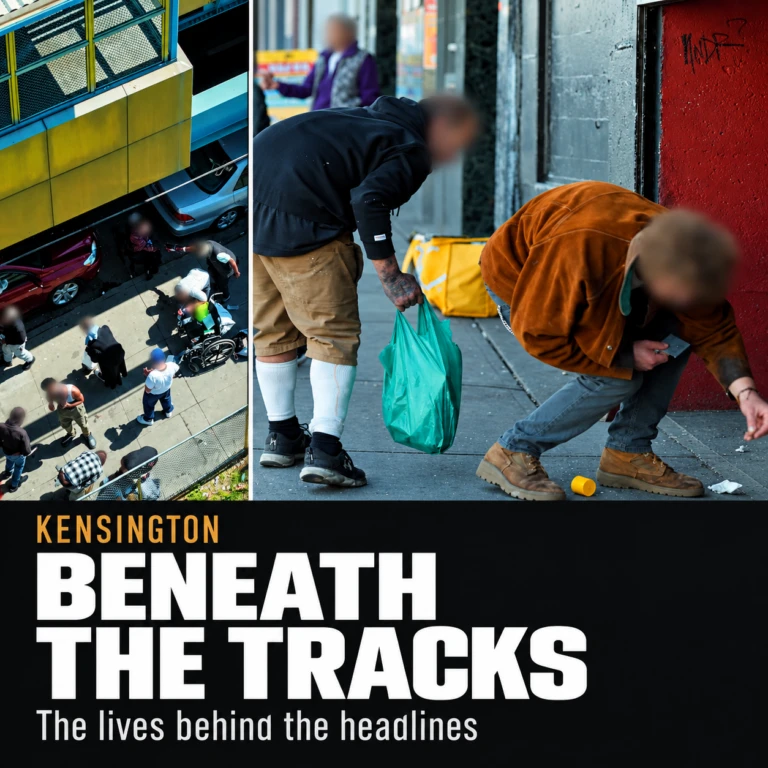
A short street video can hold our attention without telling us a person’s history. A trembling expression does not establish a diagnosis. A worn shirt cannot explain how someone arrived there. The woman in the accompanying footage has a life beyond the frame, and her age, health, beliefs, and future cannot be verified from these images. Grace’s journey is an imagined one, written to explore compassion, recovery, and Christian hope.
In that imagined life, eighteen was supposed to mean possibilities. Grace had pictured a first paycheck, a bedroom of her own, perhaps a course she would finally have the courage to take. Instead, her world had grown smaller. The future felt like something other people were allowed to have.
The wound no camera could show
What exhausted her most was the conviction that she had become a disappointment with a name. She remembered ordinary things with painful clarity: her mother’s slippers by the door, a kitchen light left on, Sunday mornings when she pretended not to hear the call to get ready for church. Home existed. She simply could not imagine being welcome there.
That is the danger of turning another person’s suffering into a spectacle. Viewers see a few seconds and write an entire verdict. Yet Kensington is also a neighborhood where people live, work, raise families, and care for one another. Its residents deserve more than a backdrop for somebody else’s shock. A compassionate story makes room for their dignity as well as their difficulties.
The first person who stayed
In Grace’s story, the turning point arrived without music or applause. A volunteer offered water and asked whether she wanted somewhere quiet to sit. There was no demand for a confession, no phone held in front of her face, no promise that everything would be easy. For once, help did not seem to depend on making her pain interesting enough to watch.